

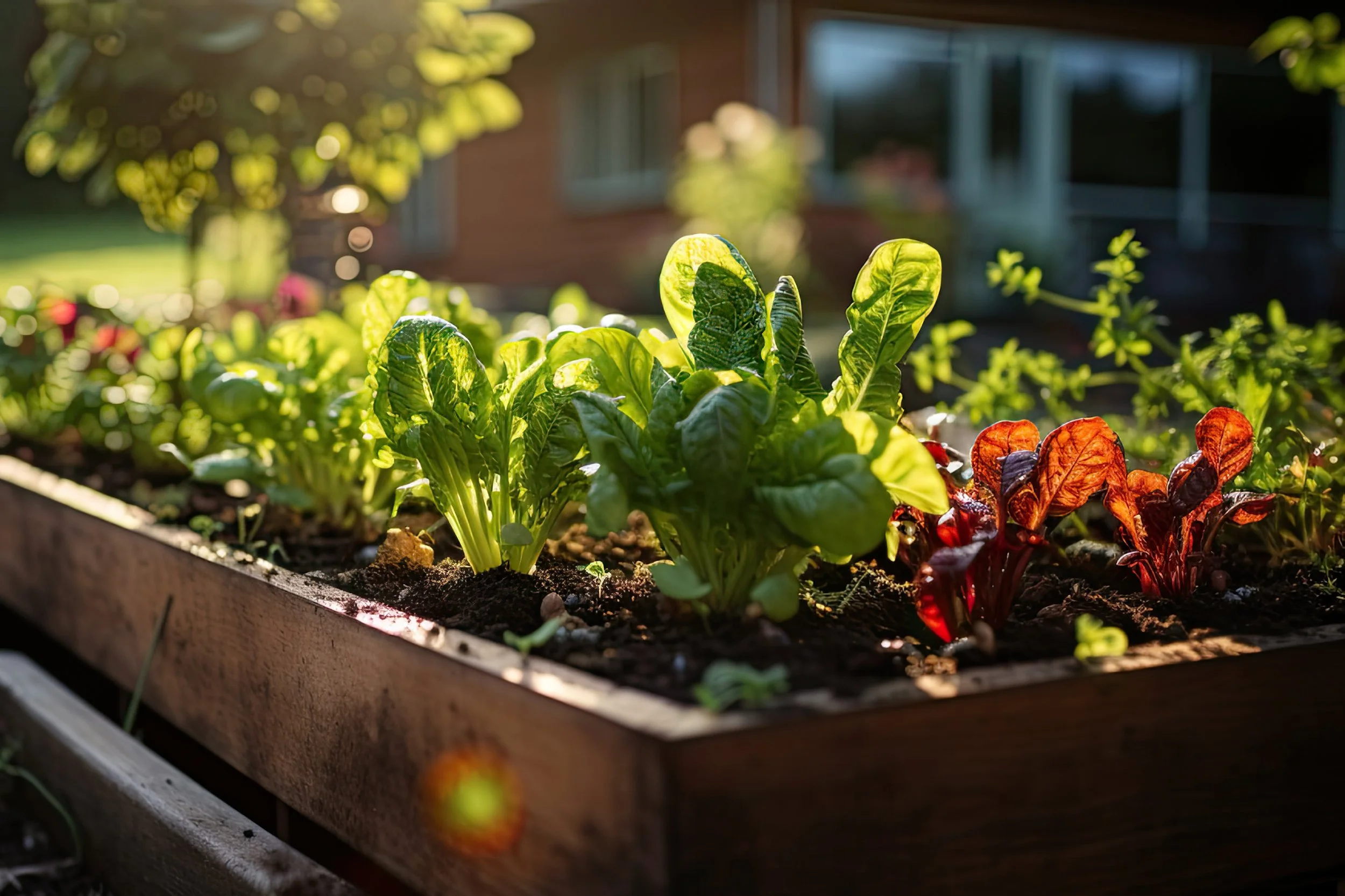
Grow On:
Creating equitable access to fresh produce
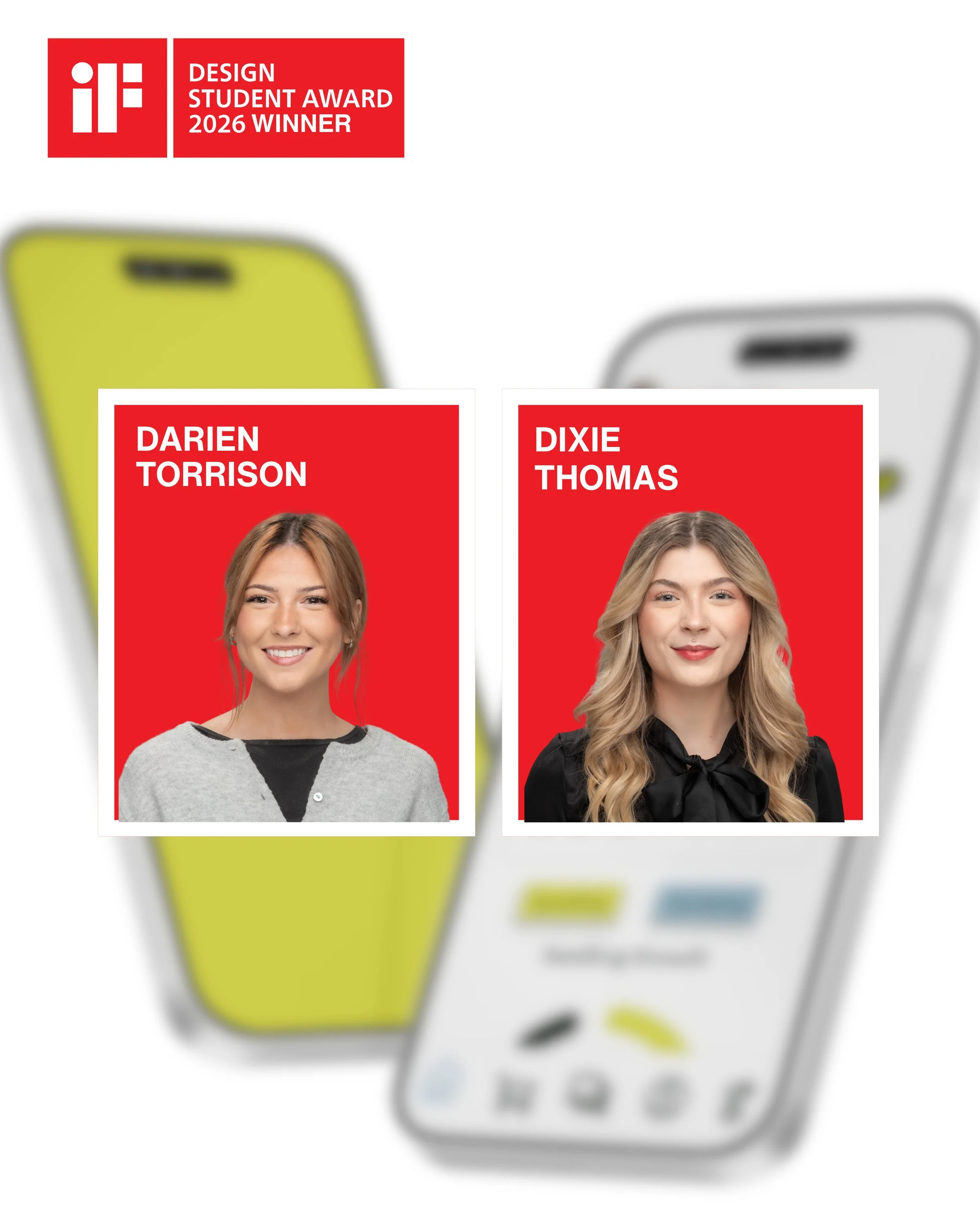
2026 iF Design Student Award Winning Project. Top 90 of 7,000 global submissions.
Duration
Aug- Dec 2025
Problem
Food insecurity and limited access to fresh produce disproportionately affect marginalized communities, reinforcing cycles of inequality. While community gardens have the potential to address these issues, they often lack inclusive systems for coordination, participation, and access. Without clear, accessible tools, these resources remain underutilized—slowing progress toward Sustainable Development Goals.
SDG 2: Zero Hunger, SDG 10: Reduced Inequalities, and SDG 11: Sustainable Cities and Communities.
Role: Co-Creator alongside Dixie Thomas
Contributions:
Research & Discovery
Strategy
Wireframing & Layout
Brand Identity
Visual Design (UI)
Prototyping
User Testing
Iteration
Visual Storytelling
Solution
Grow On is a community-centered app designed to combat food injustice in marginalized communities, guided by SDG 2: Zero Hunger, SDG 10: Reduced Inequalities, and SDG 11: Sustainable Cities and Communities. The solution was shaped by these goals to prioritize equitable access, reduce waste, and strengthen local food systems.
The app uses a calendar-based system to coordinate planting, care, and harvest cycles, alongside an AIchatbot that helps users navigate the platform, learn gardening basics, and find relevant information. A shared community pantry allows users to access fresh produce even if they are unable to garden directly. Grow On also includes a recipe generator based on available pantry items to encourage use of shared produce and reduce food waste. Sustainability metrics visualize collective impact—such as food shared and participation levels—reinforcing community engagement and long-term sustainability.
Figma Link
Challenges
Designing an app that balances complex AI features (recipe generator, plant health scanner, seedling tracker) with simplicity and usability for a diverse user base.
Integrating sustainability tracking (CO₂ and water savings) and gamified point systems in a way that motivates without overwhelming users.
Creating a community-driven experience that encourages contribution and engagement while maintaining accessibility for marginalized populations.
Coordinating design decisions with technical feasibility and real-world garden logistics.
Takeaways
Simplifying complex features is key to usability, especially when serving diverse communities.
Gamification and sustainability metrics can meaningfully drive engagement when integrated thoughtfully.
Community feedback and iterative testing are essential for designing features that truly resonate with users.
Collaborative design requires balancing creative vision, technical constraints, and user needs.